MARIA LAI | Holding the Shadow by the Hand
Text by Elena Pontiggia
The wisdom of the fairy tale
Maria Lai always had a special relationship with fairy tales. She considered them a metaphor for art and a way of communicating with the public in a simple, straightforward way. Starting in the 1980s, fairy tales became central to her art – books created by the artist using cast-off textiles. Maria Lai’s fairy tales are not merely children’s stories, but profound reflections on life and what it means to be a human being. They are often inspired by Sardinian myths and legends, to which the artist gives a personal twist, adding autobiographical details and philosophical reflections.
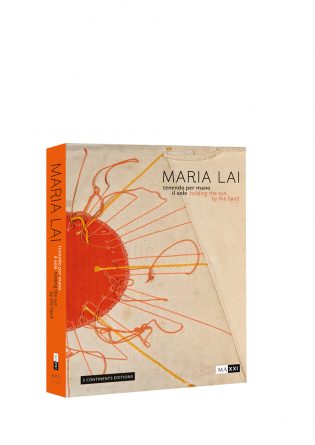
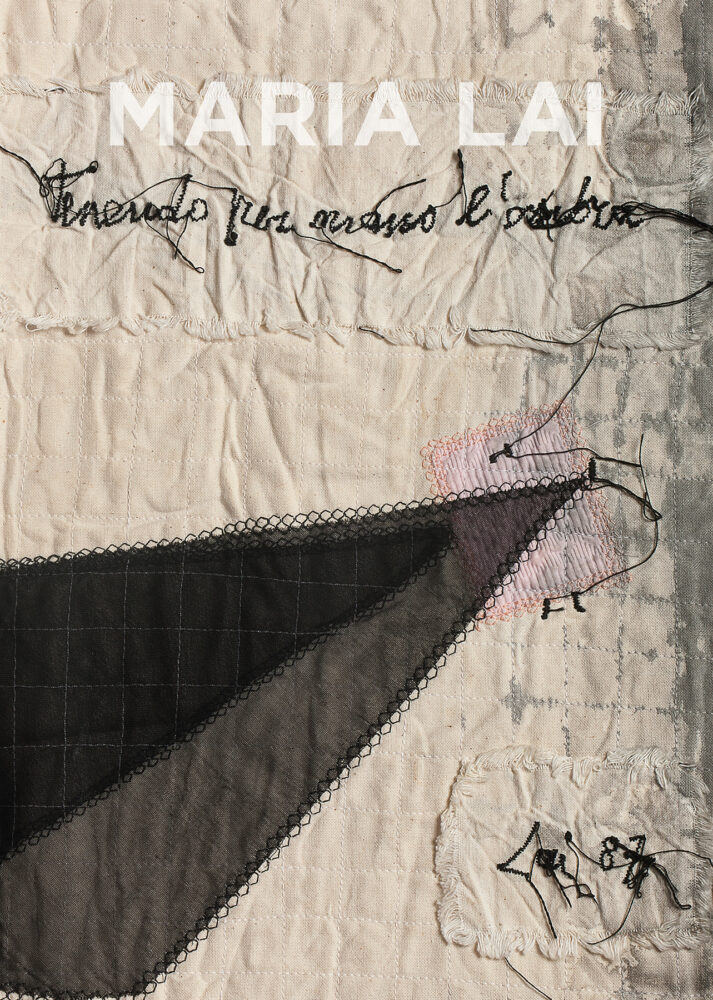
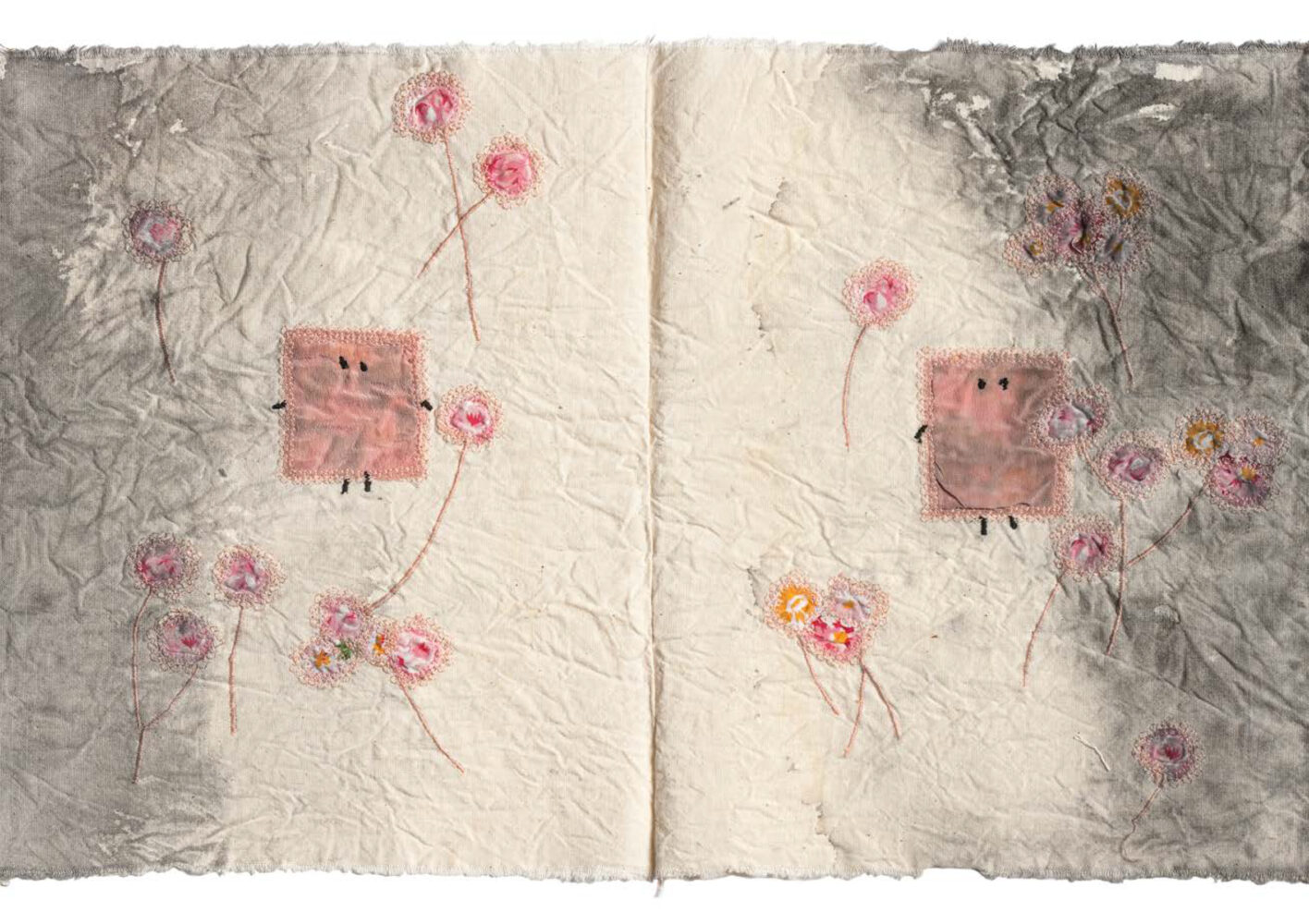
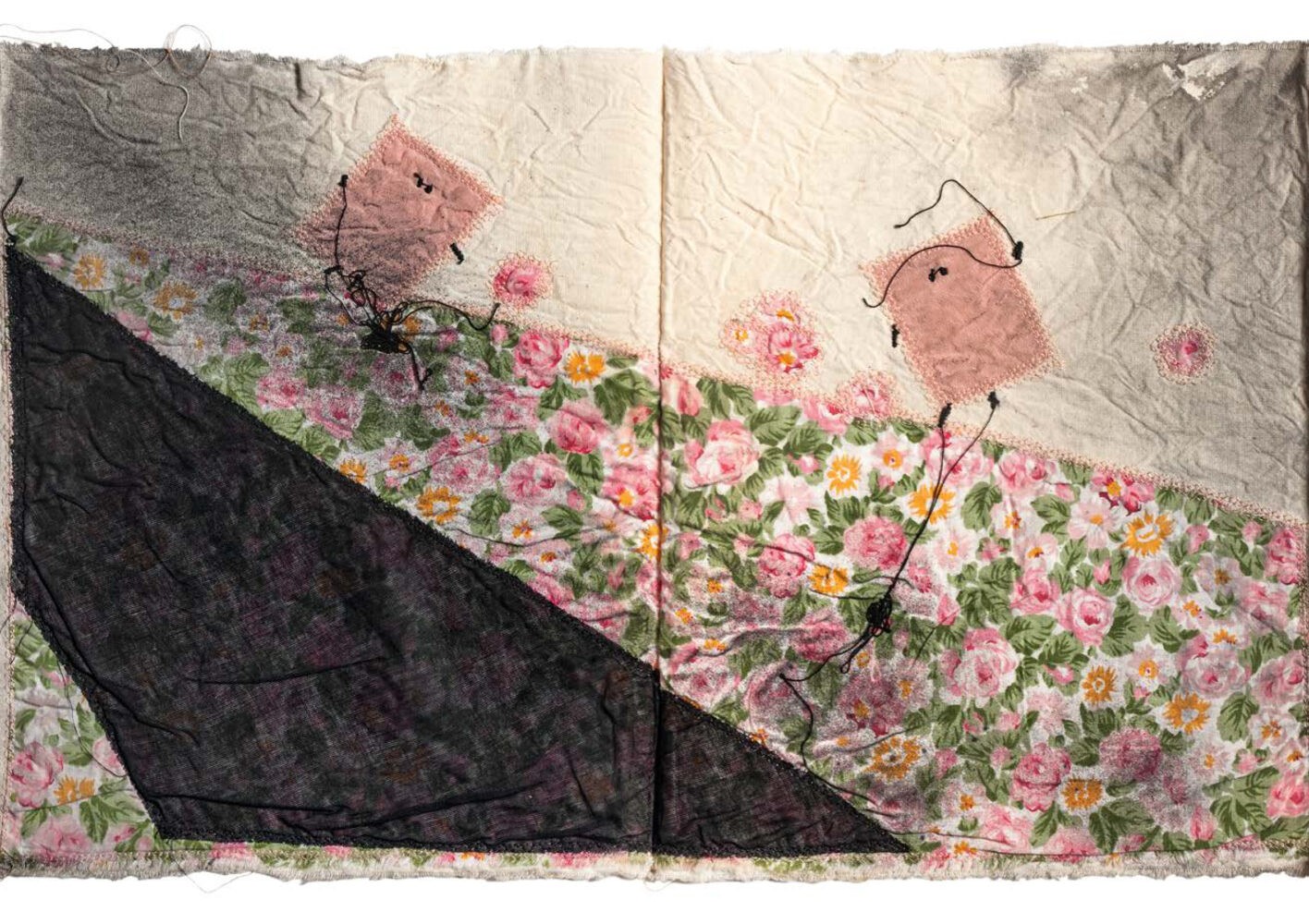
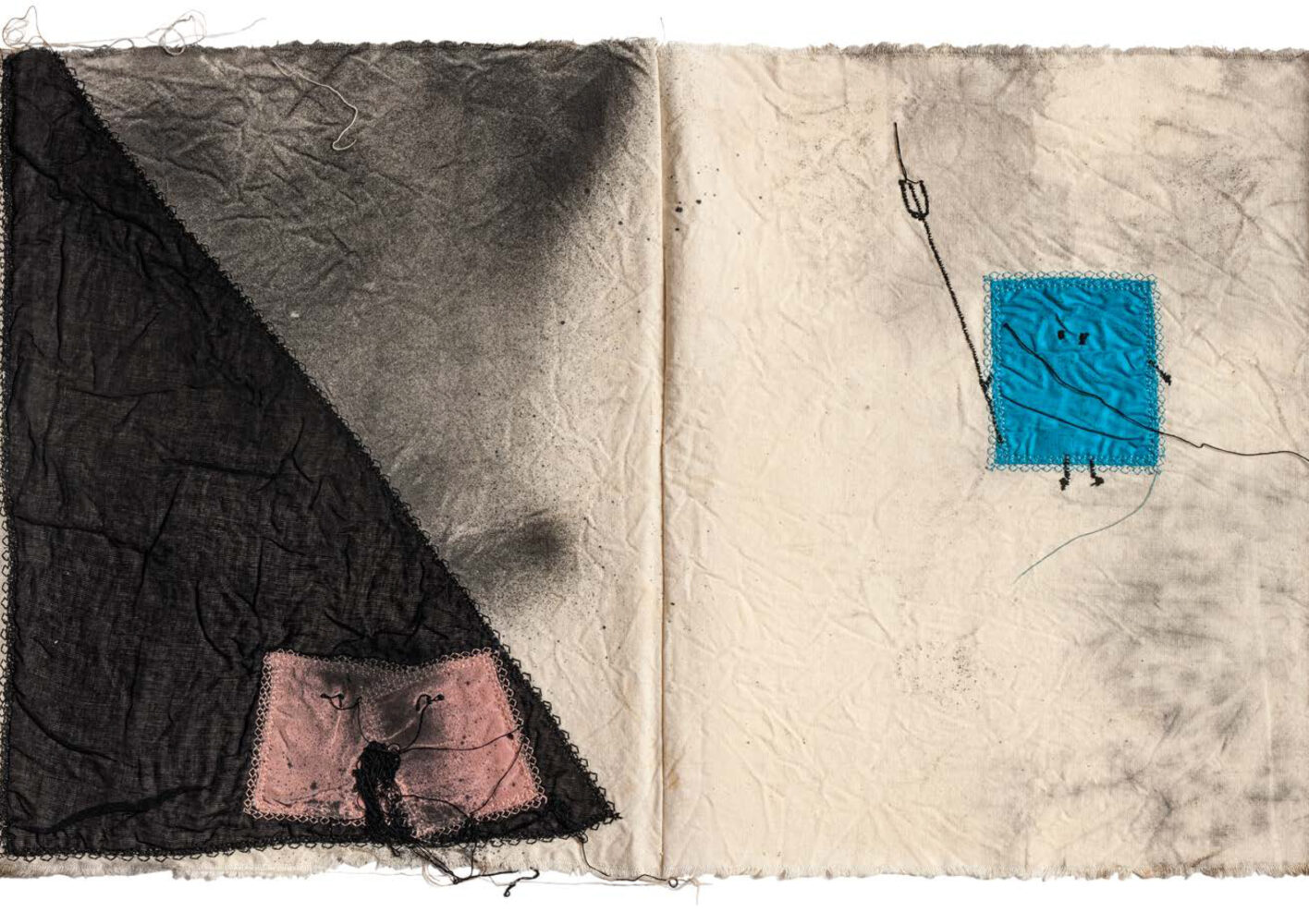
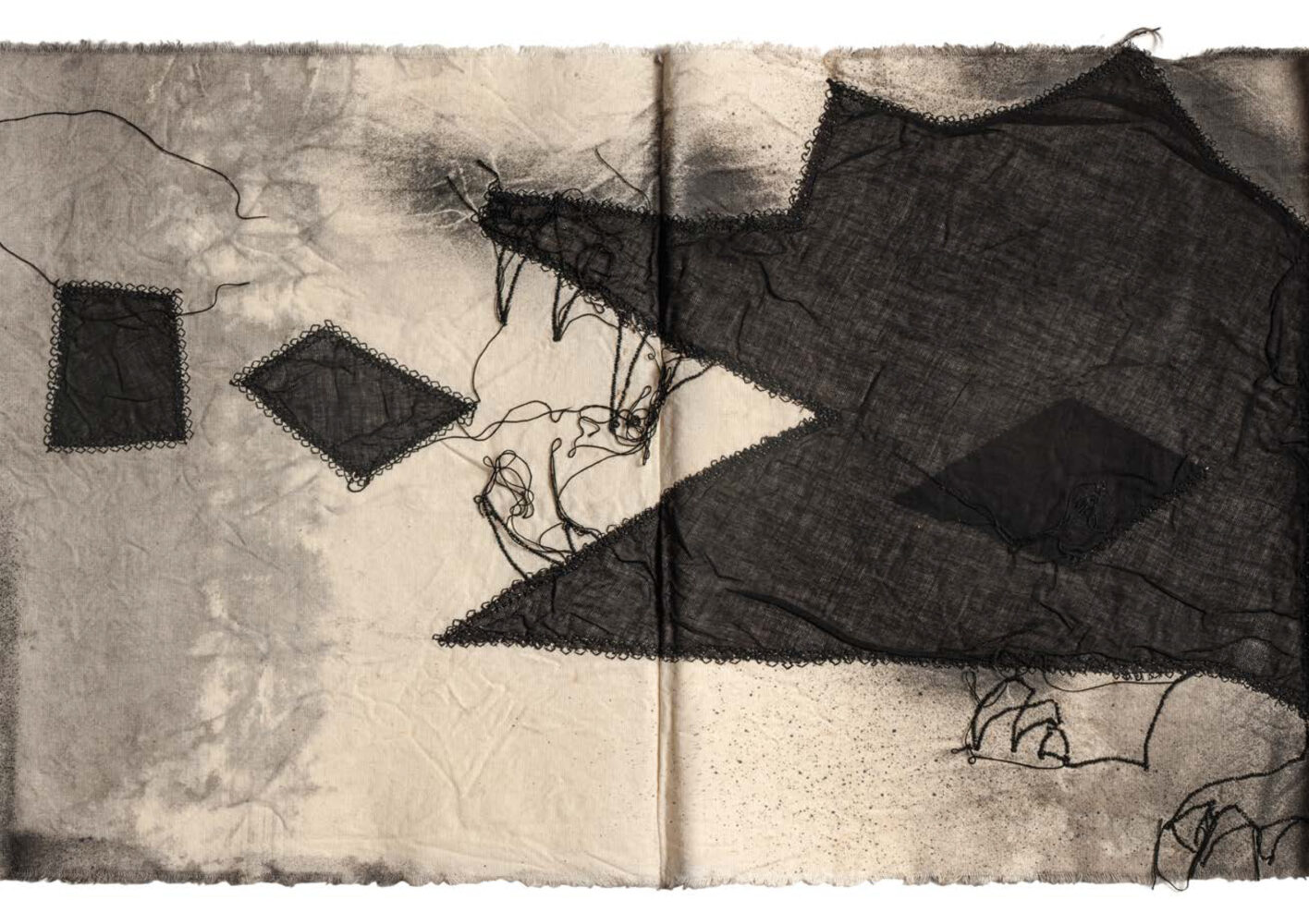
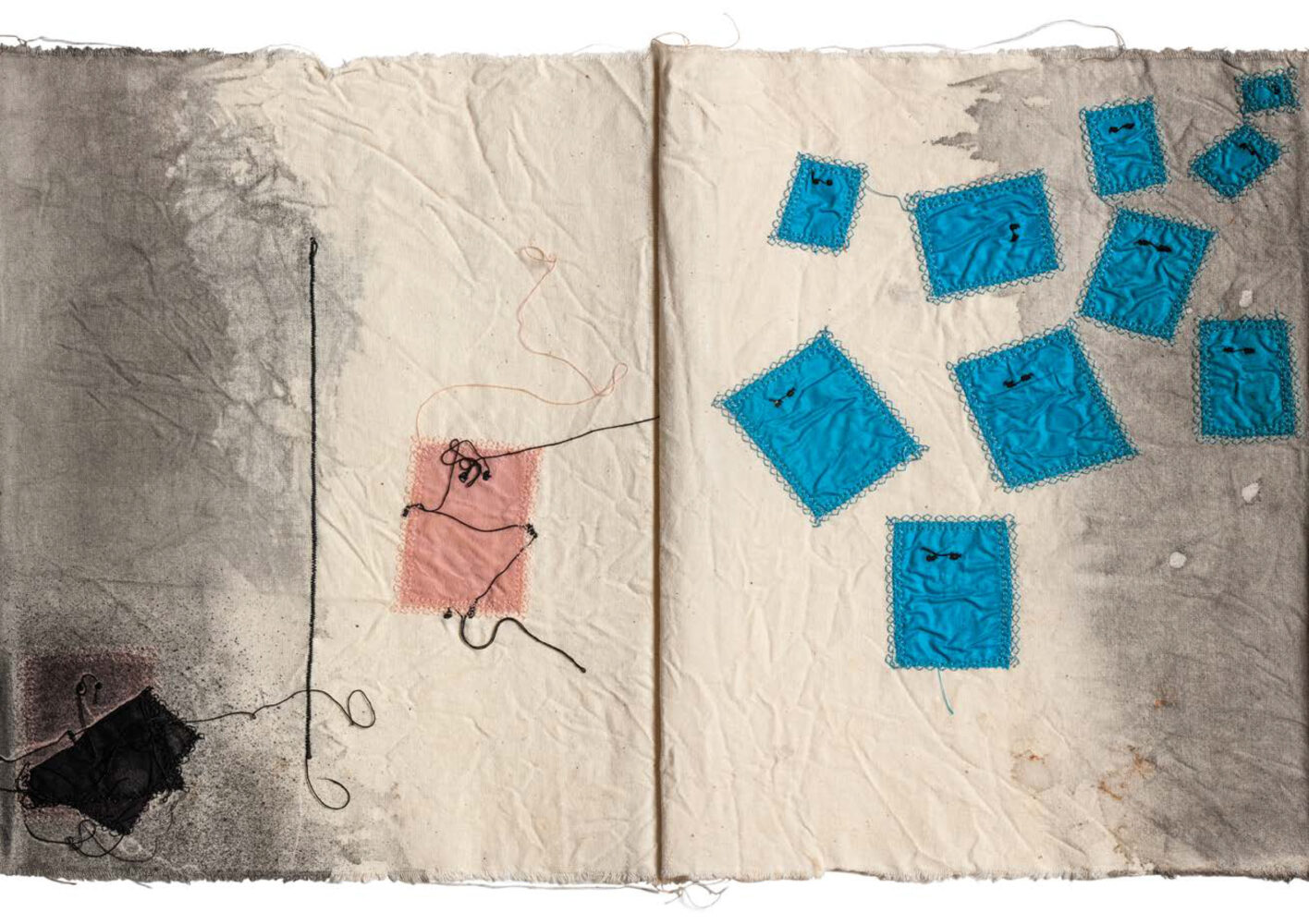
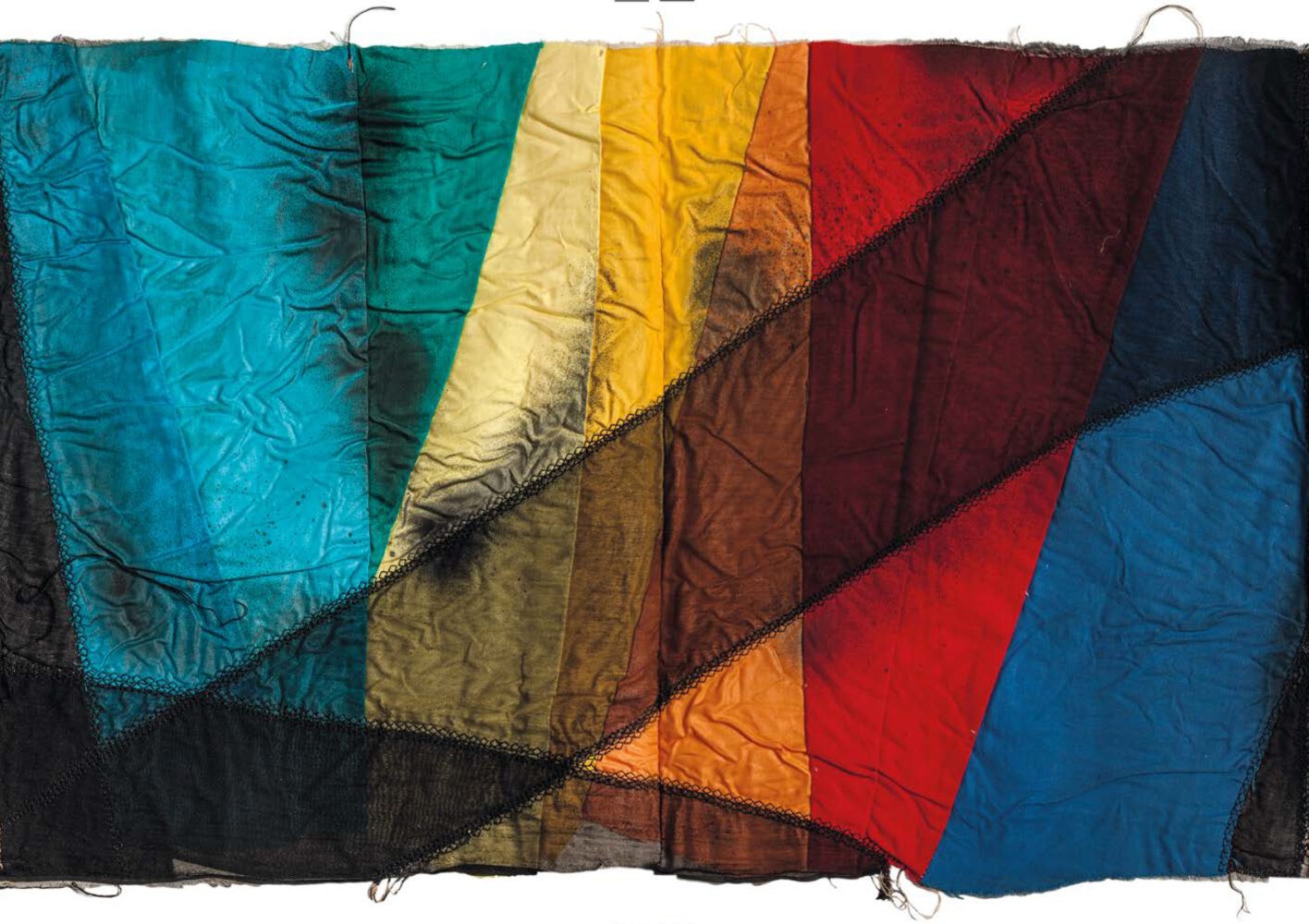
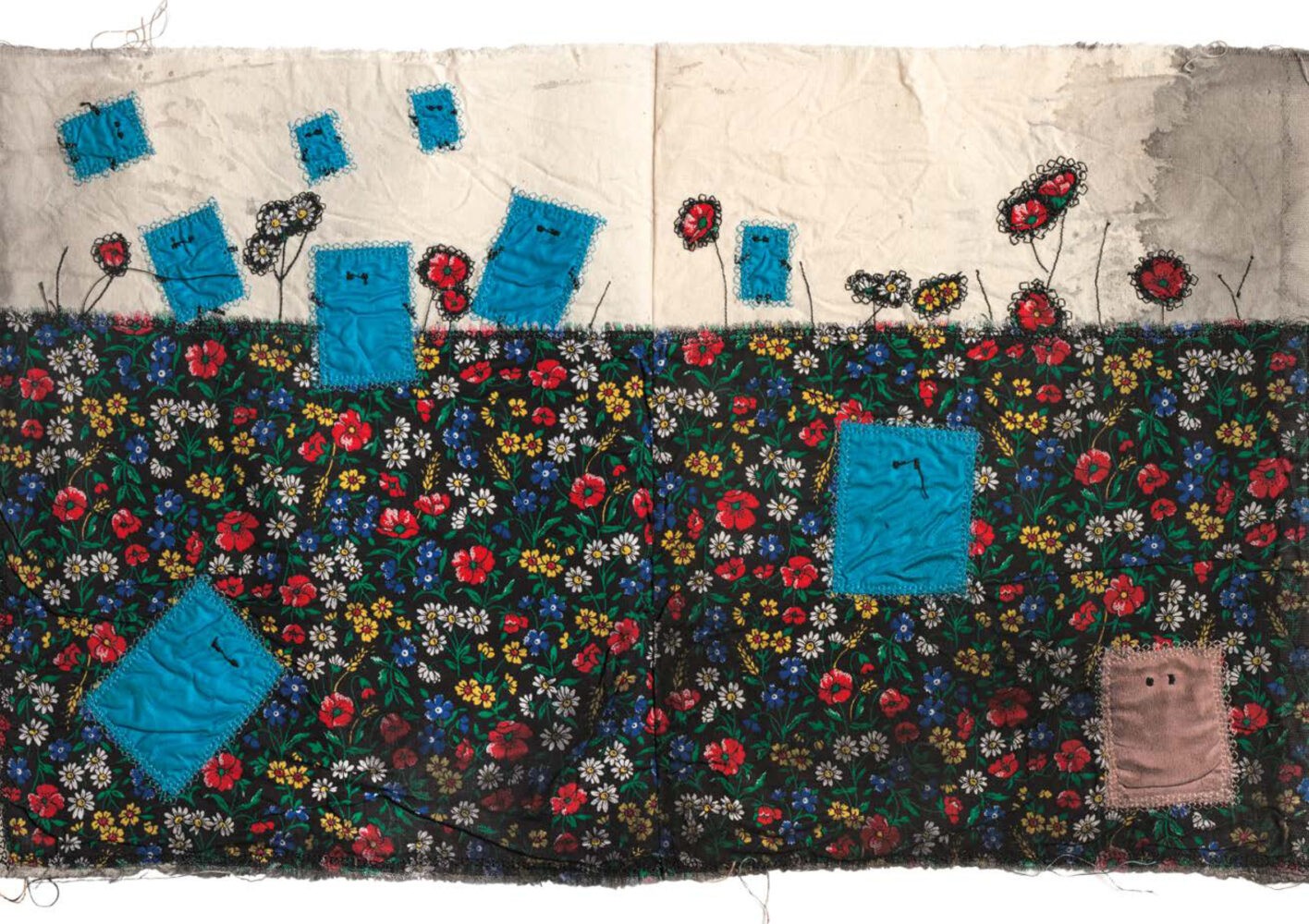
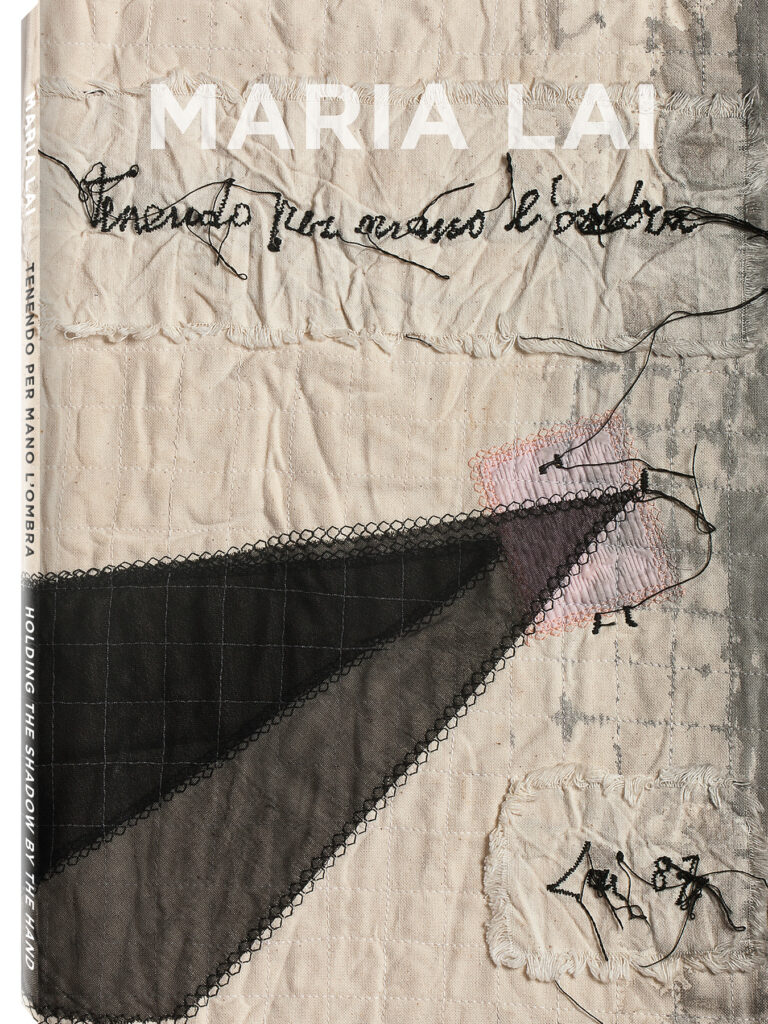
This edition of Tenendo per mano l’ombra is a printed version of Maria Lai’s 1987 tale. The original consists of fabric pages sewn together and collages of dyed textiles, on which the artist has embroidered geometric figures, yarn and other materials. The fairy tale tells the story of a human being (and his double) who must learn to accept shadows, the dark part of the world and of himself. The figure’s shadow, in Maria Lai’s fairy tale, is not a negative element to be rejected, but an integral part of his personality. To live an untroubled and complete life, one must learn to accept and live with it.
Elena Pontiggia’s concluding essay accompanies the reader in a fascinating page-by-page interpretation of the fable, and discusses Lai’s artistic and stylistic approach in the context of an extensive network of philosophical, literary and artistic references: from Kant and Manzoni to Klee and Malevič.
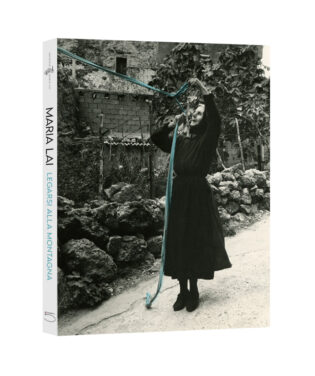
Maria Lai (1919–2013) dropped paint as a medium in favour of “poor” materials such as textiles, creating sewn canvases and books, bread and terracotta sculptures and the first woven works that were to become the leitmotif of her research. In 1967, she created Oggetto-paesaggio, a dismantled loom that was both an ancient object and a contemporary installation. In 1981, she created Legarsi alla montagna in Ulassai, the first
relational work in Italy: the inhabitants of the village tied their houses together with a blue ribbon and then bound them to the mountain above as a symbol of harmony between man, nature and art. Maria Lai returned to live in Sardinia in the 1990s and continued to produce theatrical events and to experiment with various art forms: looms, sheets, books, geographies and sewn fairy tales.
Elena Pontiggia is an art historian focusing on Italian and international art between the wars. She teaches at the Brera Academy and the Milan Polytechnic.